The complete guide to Traffic Film Removers (TFRs): selection, application and best practice
Keeping commercial vehicles, plant machinery and fleet assets clean is about far more than appearance. Dirt, road grime, oil residues and environmental contaminants can obscure inspections, accelerate corrosion, damage a company’s brand image and increase maintenance requirements.
One of the most effective ways to combat these contaminants is by using Traffic Film Removers (TFRs). Used extensively across the transport, logistics, agricultural, construction and industrial sectors, TFRs are specially formulated cleaning products designed to break down the stubborn layer of contamination that accumulates on vehicles and equipment during everyday operation.

Whether you’re managing a fleet of HGVs, operating a wash bay, maintaining agricultural machinery or cleaning construction equipment, understanding how TFRs work and how to use them correctly can significantly improve cleaning performance whilst reducing chemical consumption and operating costs.
This guide explains everything you need to know about Traffic Film Removers, including how they work, where they are used, the differences between formulations, and best-practice application techniques.
What is a Traffic Film Remover (TFR)?
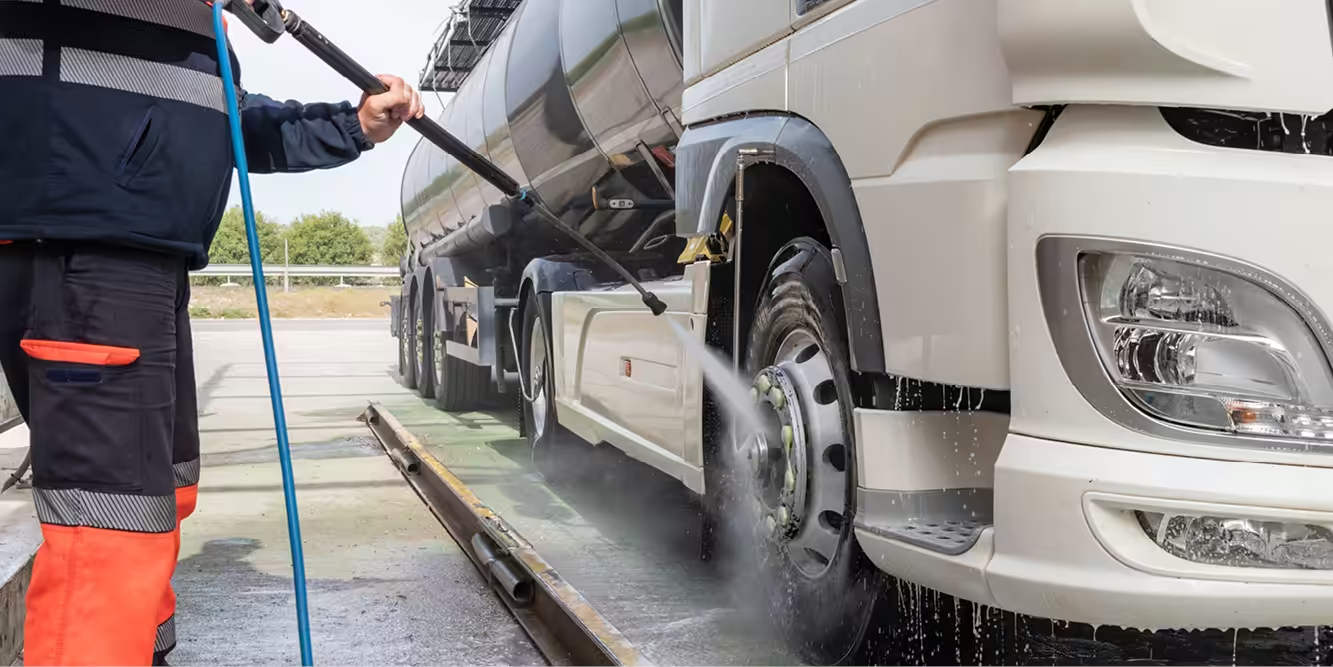
A Traffic Film Remover, commonly known as a TFR, is a specialist cleaning chemical designed to remove the layer of dirt, grease, fuel residues, road grime, salt and environmental contamination that accumulates on vehicle surfaces.
Unlike standard detergents or vehicle shampoos, TFRs are specifically formulated to break down the complex mixture of contaminants collectively known as traffic film.
How does a TFR work?
Traffic Film Removers contain carefully balanced surfactants and cleaning agents that work by:
- Penetrating oily and greasy deposits
- Loosening bonded dirt particles
- Lifting contamination from surfaces
- Suspending dirt so it can be rinsed away
The result is a cleaner vehicle with less manual effort and improved cleaning efficiency.
What is the difference between a TFR and vehicle shampoo?
A common misconception is that TFRs and vehicle shampoos perform the same function.
Traffic Film Removers are designed as a pre-cleaning stage, targeting heavy contamination and road film before rinsing. Vehicle shampoos are generally used during contact washing to enhance appearance and remove lighter surface dirt.
For heavily contaminated commercial vehicles, a TFR is often the most effective first stage of the cleaning process.
What is traffic film?
Traffic film is a stubborn layer of contamination that builds up on vehicles and equipment during normal operation. It consists of a complex mixture of pollutants, including:
- Road dust and dirt
- Diesel soot and exhaust deposits
- Oil and grease
- Brake dust
- Road salt
- Fuel residues
- Organic matter such as tree sap and insect debris
Industrial fallout and airborne pollutants


Why is traffic film so difficult to remove?
Traffic film is not simply loose dirt.
Many contaminants contain oily or greasy substances that bond strongly to vehicle surfaces. Rainwater alone is usually ineffective at removing these deposits, and standard detergents often struggle to break them down.
As contamination accumulates, it becomes increasingly difficult to remove without specialist cleaning products.
Where are Traffic Film Removers used?
TFRs are used across a wide range of industries where vehicles, machinery and equipment are exposed to harsh operating environments.

Road transport and logistics
Commercial vehicle operators rely heavily on TFRs to maintain:
- HGV fleets
- Distribution vehicles
- Delivery vans
- Tankers
- Trailers
- Fleet cars
Regular cleaning helps maintain a professional image while supporting inspection and maintenance programmes.

Public sector and utility fleets
TFRs are widely used on:
- Refuse collection vehicles
- Highway maintenance vehicles
- Utility service vehicles
These vehicles are often exposed to demanding operating conditions and require effective cleaning solutions.

Agriculture
Agricultural machinery is exposed to mud, dust, oils and organic contamination.
Common applications include:
- Utility vehicles
- Tractors
- Sprayers
- Harvesters
- Telehandlers

Construction and plant equipment
Construction environments generate significant contamination from:
- Soil
- Cement dust
- Hydraulic oils
- Fuel residues
TFRs are frequently used to clean excavators, dumpers, loaders, rollers and other mobile plant equipment.

Automotive and valeting
Professional valeting businesses and vehicle preparation centres use TFRs to remove road grime quickly and efficiently before the finishing stages.

Industrial equipment
Traffic Film Removers are also widely used across industrial environments to maintain equipment and vehicles exposed to dirt, grease and operational residues:
- Mobile industrial equipment
- Forklift trucks
- Commercial machinery
- Service vehicles
Why regular TFR cleaning matters

1-Protecting brand image
Commercial vehicles effectively act as moving advertisements. Clean vehicles create a positive impression and demonstrate professionalism.
2-Supporting maintenance inspections
Heavy contamination can conceal:
- Fluid leaks
- Damage
- Corrosion
- Wear and tear
Regular cleaning improves visibility and supports preventative maintenance programmes.
3-Reducing corrosion risks
Road salt, moisture and contaminants can accelerate corrosion, particularly during winter months.
Routine cleaning helps remove corrosive deposits before damage occurs.
4-Improving health and safety
Clean vehicles and equipment are generally easier and safer to inspect, maintain and operate.
5-Lowering long-term costs
Preventative cleaning can help reduce maintenance requirements, extend asset life and improve operational efficiency.
Types of Traffic Film Removers explained
Foaming Traffic Film Removers
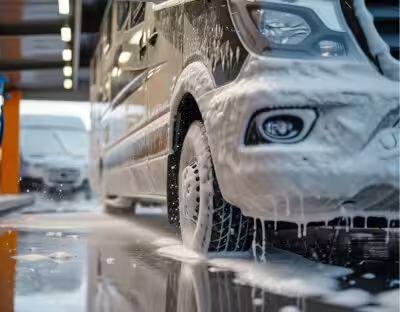
Foaming TFRs generate a visible foam layer when applied through suitable equipment.

Benefits of foaming TFRs
- Enhanced surface coverage
- Longer dwell times
- Excellent adhesion to vertical surfaces
- Visual confirmation of application
- Effective cleaning performance
Foaming products are particularly popular in dedicated vehicle wash bays and fleet cleaning operations.
Typical applications
- HGV fleets
- Commercial vehicle wash bays
- Agricultural equipment
- Construction machinery
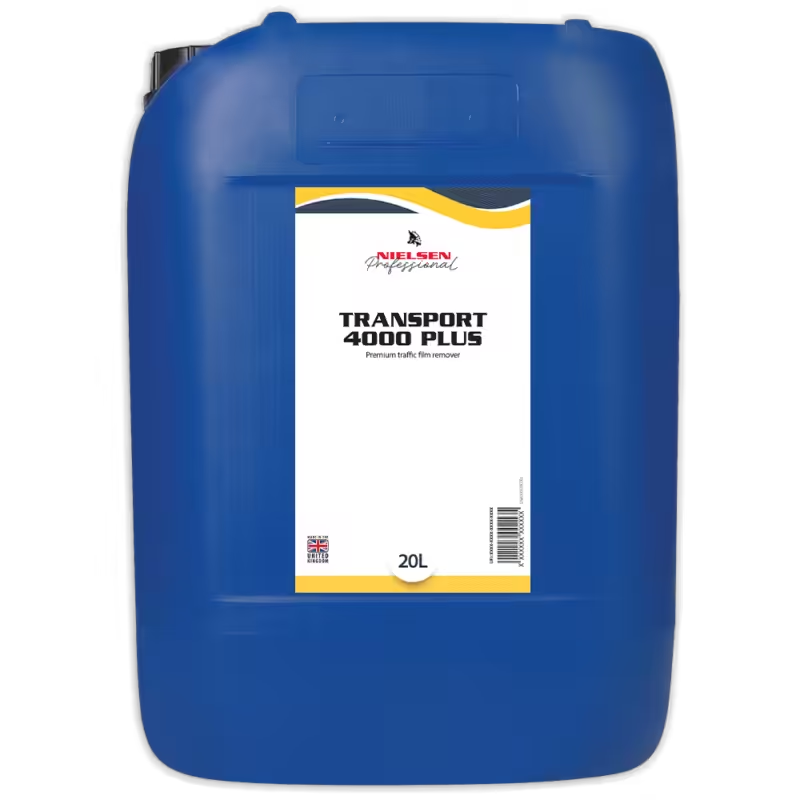
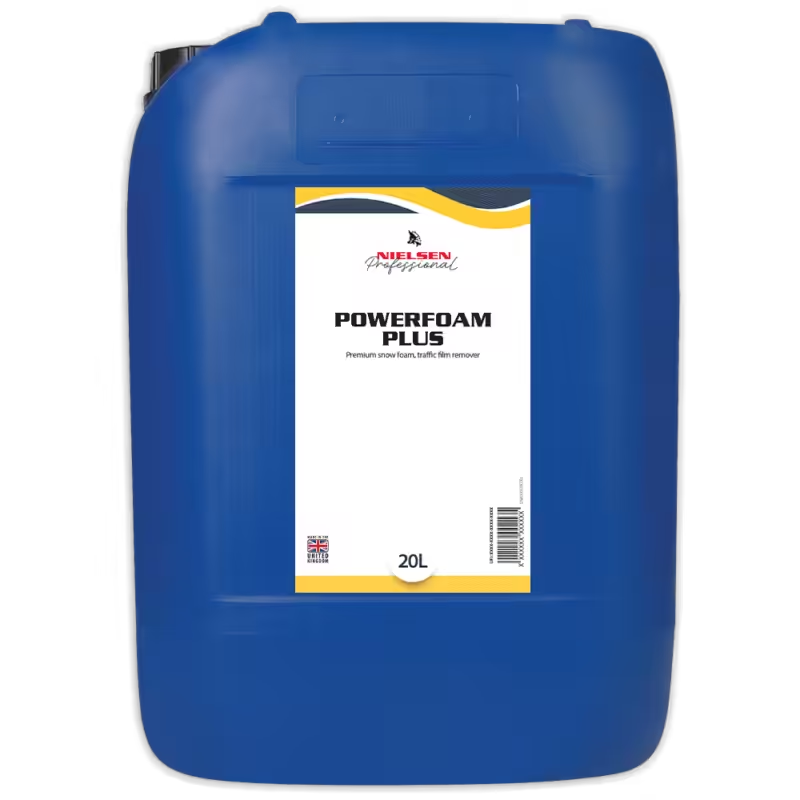
Examples of Nielsen Chemicals’ foaming TFR solutions include:
Non-foaming Traffic Film Removers
Non-foaming TFRs are designed for efficient cleaning without significant foam generation.

Benefits of non-foaming TFRs
- Cost-effective operation
- Fast rinsing characteristics
- Suitable for automated systems
- High-volume cleaning environments
Typical applications
- Fleet operations
- Vehicle preparation centres
- Industrial cleaning
- Automated wash systems
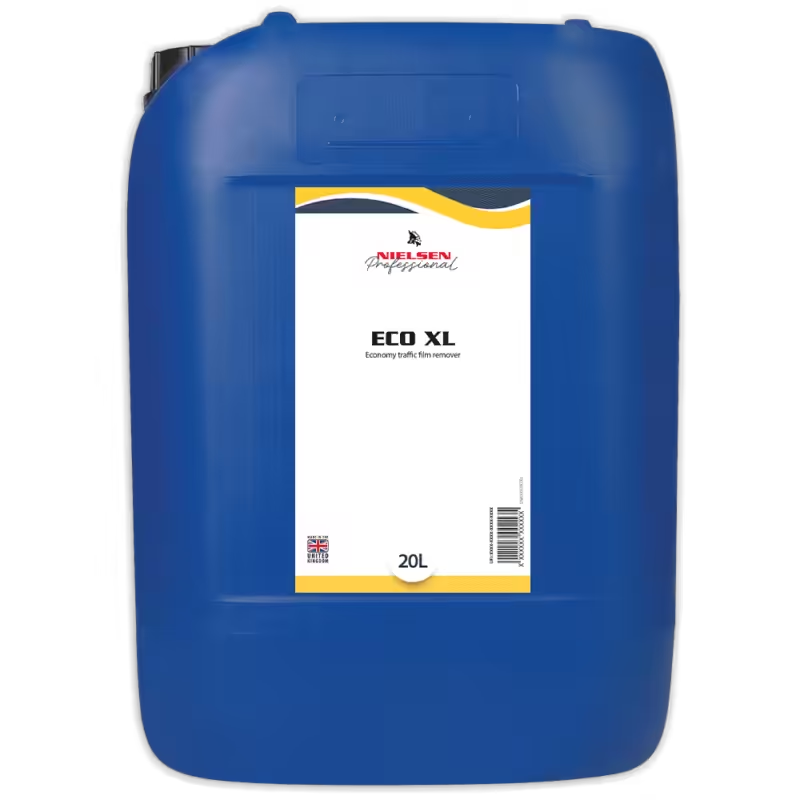
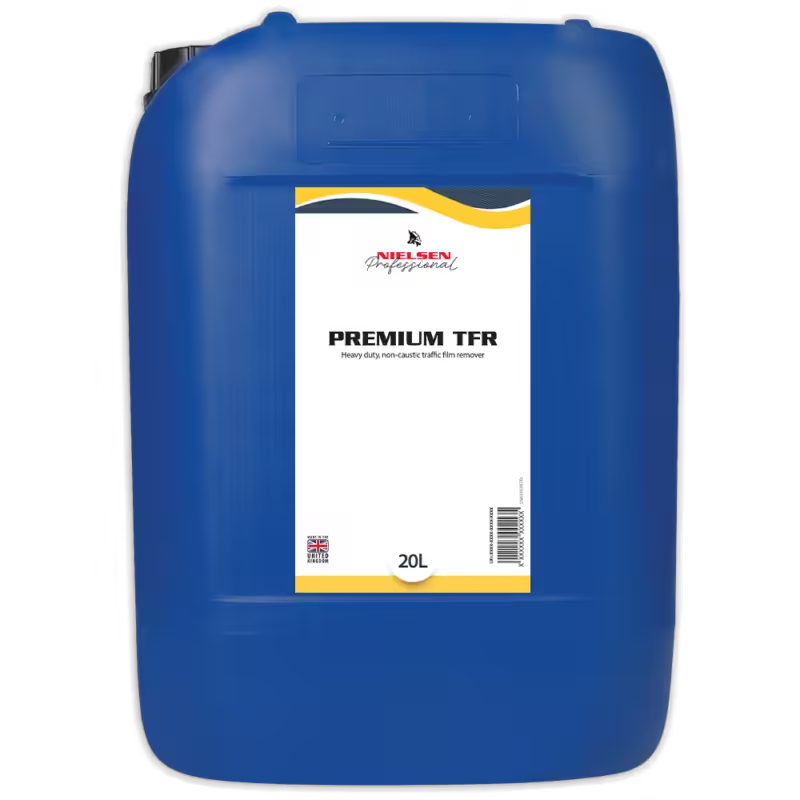
Examples of our non-foaming TFR solutions include:
Foaming vs non-foaming TFRs: which is best?
There is no universal answer.
The best choice depends on your cleaning objectives, equipment and operating environment.
| Feature | Foaming TFR | Non-Foaming TFR |
| Surface coverage | Excellent | Good |
| Visual application control | Excellent | Limited |
| Dwell time | Excellent | Good |
| High-throughput operations | Good | Excellent |
| Cost-in-use | Good | Excellent |
| Automated systems | Good | Excellent |
Foaming TFRs provide excellent cling and extended dwell times, while non-foaming formulations often deliver exceptional cleaning performance and lower operating costs in high-volume applications.
The most effective solution depends on the contamination level, the equipment, and the cleaning process being used.
How to choose the Right Traffic Film Remover
Selecting the correct TFR requires consideration of several factors.
Vehicle
type
Different vehicle types experience varying levels of contamination and cleaning challenges.
Contamination severity
Light road dust requires a different approach from that for heavily soiled construction equipment or winter fleet vehicles.
Application equipment
The type of application equipment available will influence which formulation is most appropriate.
Environmental requirements
Many organisations seek products that align with environmental objectives and responsible chemical management practices.
Cost-in-use
The cheapest product is not always the most economical.
Concentrated formulations that perform effectively at higher dilution rates often deliver lower overall cleaning costs.
Understanding TFR dilution ratios
One of the most important aspects of successful TFR application is correct dilution.
Why dilution matters
Incorrect dilution can result in:
- Poor cleaning performance
- Excessive chemical consumption
- Increased operating costs
- Potential surface compatibility issues
Typical dilution guidelines

Light soiling
- Higher dilution rates
- Lower chemical usage
- Suitable for regularly cleaned vehicles

Moderate soiling
- Balanced dilution rates
- Suitable for most commercial fleet cleaning

Heavy soiling
- Stronger concentrations
- Ideal for construction, agriculture, and winter conditions
Always follow the manufacturer’s recommendations for individual products.
Can using more TFR improve cleaning performance?
Not always.
Over-concentration often increases costs without delivering proportional improvements in cleaning performance.
How to apply TFR correctly

Assess the vehicle condition
Evaluate contamination levels and identify heavily soiled areas.

Prepare the correct dilution ratio
Mix the product according to the manufacturer’s guidelines.

Apply evenly across all surfaces
Ensure complete coverage across contaminated surfaces.

Allow appropriate dwell time
Allow sufficient dwell time, ensuring the product does not dry on the surface.

Rinse thoroughly
Use clean water and adequate pressure to remove loosened contamination.

Repeat if necessary
Exceptionally contaminated vehicles may require additional cleaning stages.
Common TFR application methods

Pressure washers
One of the most common methods for commercial vehicle cleaning.

Foam lance systems
Popular for foaming TFR applications where extended dwell times are required.

Vehicle wash bays
Commonly used by fleet operators and transport depots.

Automatic wash systems
Suitable for high-throughput cleaning operations.

Manual sprayers
Useful for spot cleaning and smaller-scale applications.
Can Traffic Film Removers damage vehicle surfaces?
When used correctly and in line with manufacturer recommendations, quality TFRs are designed to clean effectively without damaging vehicle surfaces.
Suitable surfaces
TFRs are commonly used on:
- Painted surfaces
- Vehicle bodywork
- Glass
- Plastics
- Rubber trim
- Commercial vehicle graphics
Best practice guidance
To minimise risk:
- Follow dilution guidelines
- Avoid allowing products to dry on surfaces
- Avoid application to hot surfaces * Rinse thoroughly after use
Environmental and compliance considerations
Modern fleet operators increasingly focus on responsible chemical use and environmental management.
Wastewater management
Vehicle wash operations should ensure wastewater is managed appropriately and complies with local requirements.
Oil interceptors
Many commercial wash bays utilise interceptors to manage contaminants before discharge.
COSHH compliance
Employers should ensure staff have access to relevant COSHH information and understand safe handling procedures.
Responsible product selection
Selecting high-performance products that deliver effective cleaning at lower dilution rates can help reduce overall chemical usage.
Common TFR mistakes to avoid
Even the best TFR will underperform if used incorrectly.
Common mistakes include:
- Using incorrect dilution ratios
- Allowing products to dry on surfaces
- Insufficient dwell time
- Applying to hot panels
- Inadequate rinsing
- Using the wrong formulation for the application
- Focusing solely on drum price rather than cost-in-use
Avoiding these mistakes can significantly improve cleaning performance and reduce operating costs.
Expert advice on choosing the right Traffic Film Remover
Traffic Film Removers remain one of the most effective tools for maintaining commercial vehicles, plant equipment, and fleet assets.
However, selecting the right product involves more than simply choosing the strongest formulation available. Factors such as contamination levels, application equipment, environmental considerations and cost-in-use all play a role in achieving the best results.
By selecting the correct Traffic Film Remover and following best practice application techniques, operators can improve cleaning performance, reduce chemical consumption and maintain professional, well-presented vehicles and equipment.
Whether you’re managing a national transport fleet, operating a busy wash bay, maintaining agricultural machinery or cleaning construction equipment, expert guidance can help ensure you achieve the optimum balance between cleaning performance, efficiency and cost.
For advice on selecting the most suitable Traffic Film Remover for your application, speak to the technical team at Nielsen Chemicals.
FAQs (Frequently Asked Questions)
What does TFR stand for?
TFR stands for Traffic Film Remover.
What is traffic film?
A mixture of road grime, oils, soot, salt, and environmental contamination that accumulates on vehicles.
How does Traffic Film Removers work?
It breaks down and lifts contamination so it can be rinsed away effectively.
Can TFRs remove grease and oil?
Yes, quality TFRs are specifically formulated to tackle oily and greasy contamination.
Can TFRs be used through a pressure washer?
Yes, many TFRs are designed for pressure washer applications.
Are TFRs safe on paintwork?
When used correctly and according to manufacturer guidelines, TFRs are generally safe on painted surfaces.
Can TFRs be used on agricultural machinery?
Yes, TFRs are commonly used on tractors, harvesters and other agricultural equipment.
Do TFRs remove road salt?
Yes, TFRs can help remove salt deposits that contribute to corrosion.
What is the difference between foaming and non-foaming TFRs?
Foaming products provide enhanced cling and dwell time, while non-foaming products often offer excellent cost efficiency and suitability for automated systems.
How often should fleet vehicles be cleaned?
This depends on operating conditions, but regular cleaning helps maintain appearance, reduce contamination build-up and support maintenance inspections.

Popular products from our range
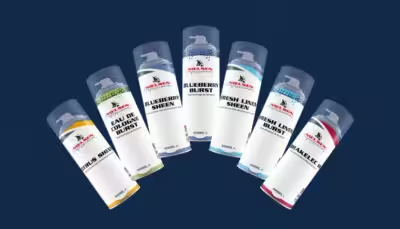
For an all-encompassing professional car cleaning solution, Nielsen offers a range of high-quality vehicle cleaning products
Fast local delivery
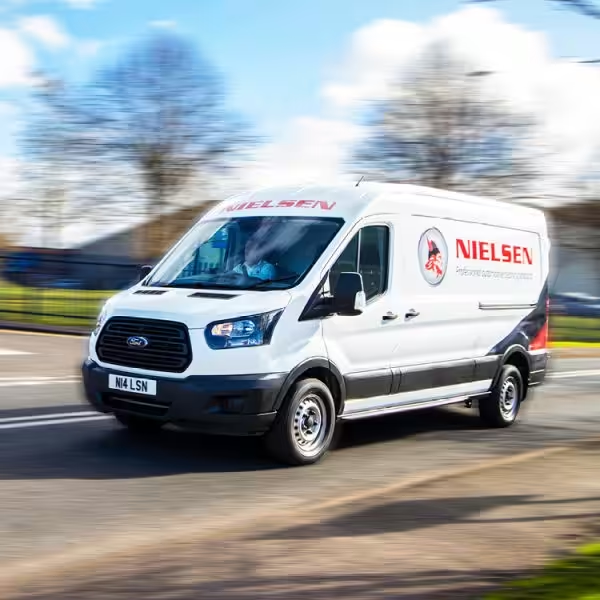
Along with our extensive nationwide logistics, we also offer a fast local delivery service within a 50-mile radius of our manufacturing facilities.
Why use Nielsen Professional?
With over 50 years of experience, Nielsen has built a reputation for excellence, innovation, and reliability in professional car cleaning solutions. Here’s why industry leaders trust us:

COMPLETE RANGE
of car cleaning & maintenance products for the professional

1st CLASS SERVICE
Friendly support and expertise

RATED EXCELLENT
On quality & service

OVER 50 YEARS
Car care excellence
Want to get the most from your fleet cleaning routine?
Explore the full Nielsen Commercial Vehicle range for trucks, trailers, buses, vans, and plant equipment. Designed for performance, cost efficiency, and operator safety, each product delivers professional results across large-scale fleet operations.
Contact us on our website, call 01283 222 277 or Email and don’t forget to follow us on LinkedIn for product news, case studies, and professional cleaning insights.